
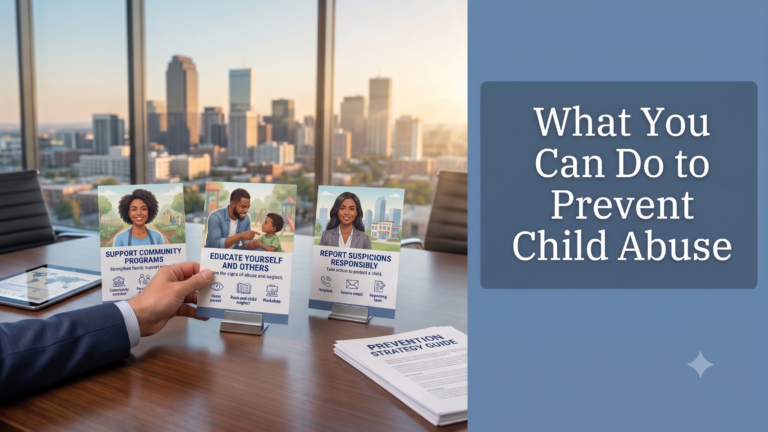
Preventing Child Abuse in New York starts with awareness, education, and action. Whether you are a teacher, school administrator, nurse, counselor, social worker, psychologist, physician, or another mandated reporter, you play an important role in helping protect children. You may not always be able to see everything a child is experiencing, but you can learn the warning signs, understand your legal responsibilities, and know what steps to take when something feels wrong.
For New York professionals, the Child Abuse Identification / Mandated Reporter Workshop helps you understand how to identify suspected abuse or maltreatment and how to report concerns properly. Genius Genius offers an online NYSED-approved workshop that includes the required 2025–26 Child Abuse Addendum.
Child Abuse prevention matters because early concern, support, and reporting can help protect a child before harm continues or becomes worse. Prevention is not only about responding after something happens. It is also about creating safer environments where children are seen, heard, and supported.
In New York, many professionals are required to complete mandated reporter training because they work closely with children, families, patients, students, or vulnerable individuals. These professionals may be the first people to notice changes in a child’s behavior, appearance, emotional state, attendance, or safety.
Prevention can happen in many ways. It may include listening carefully to a child, supporting stressed caregivers, recognizing signs of maltreatment, documenting concerns, and following New York reporting procedures when required.
For educators and licensed professionals, completing the proper training is one of the most important steps. It helps you move from uncertainty to informed action.
One of the most important ways to prevent Child Abuse is to learn what warning signs may look like. Abuse and maltreatment do not always appear in the same way for every child.
Some signs may be physical, such as unexplained injuries, frequent bruises, poor hygiene, untreated medical needs, or clothing that does not fit the weather. Other signs may be emotional or behavioral, such as fearfulness, withdrawal, sudden aggression, anxiety, extreme fatigue, or a noticeable change in school performance.
A child may also show signs through attendance patterns, hunger, difficulty staying awake, reluctance to go home, or comments that suggest something is not safe. In some cases, warning signs may appear during virtual interactions, online learning, or remote services.
It is also important to remember that no single sign automatically proves abuse. The goal is to recognize patterns, pay attention to reasonable concerns, and follow the correct reporting process when you suspect a child may be unsafe.
Mandated reporters in New York have a legal responsibility to report suspected child abuse or maltreatment when they have reasonable cause to suspect it in their professional role. This responsibility applies to many professionals, including teachers, school personnel, administrators, physicians, nurses, social workers, counselors, psychologists, and other licensed professionals.
If you are a mandated reporter, you do not need to investigate the situation yourself. You are not expected to prove abuse. Your role is to recognize reasonable cause, follow reporting procedures, and make the report to the appropriate New York State system.
This matters because trying to investigate on your own can delay the process. It can also place the child, family, or professional in a more difficult position. Mandated reporter training helps clarify what your role is and what it is not.
The Child Abuse Identification / Mandated Reporter Workshop from Genius Genius is designed to help New York professionals understand these responsibilities. The course is 100% online, self-paced, and includes electronic submission to NYSED upon completion.
Preventing Child Abuse is not only about reporting. It is also about helping families access support before stress becomes a crisis.
Many families face pressure from housing problems, financial strain, caregiving stress, health concerns, lack of childcare, isolation, or trauma. While these challenges do not excuse abuse or maltreatment, they can increase stress inside a home.
Professionals can help by noticing when families may need support and connecting them with appropriate resources. That might include school support staff, community services, counseling, food assistance, crisis lines, parenting support, or local family service organizations.
In New York, support can be especially important for families navigating school systems, healthcare systems, disability services, and social service programs. A calm, informed professional can help a parent or caregiver feel less alone and more willing to seek help.
One helpful reminder is this: you do not always have to wait for a reportable concern to support a family. Sometimes prevention begins with a referral, a conversation, or helping someone find the right resource.
Children with intellectual or developmental disabilities may need additional attention because signs of abuse or maltreatment can be harder to recognize. Communication differences, behavioral changes, medical needs, dependence on caregivers, and assumptions about disability can all affect how concerns are noticed.
This is one reason New York has updated mandated reporter training requirements. The 2025–26 Child Abuse Addendum includes content related to identifying indicators of abuse and maltreatment involving children with intellectual or developmental disabilities.
Professionals should be careful not to dismiss changes in behavior, fear, regression, injuries, or emotional distress as simply part of a disability. If something changes, it is worth paying attention.
You should also consider how a child communicates. Some children may not describe what happened in a direct way. Others may use behavior, avoidance, emotional reactions, or changes in routine to show distress.
Updated training helps professionals recognize these concerns more clearly and respond with greater care.
Safe environments help reduce risk and make it easier for children to speak up. In schools, healthcare settings, counseling offices, childcare programs, and youth-serving organizations, prevention should be part of the culture.
This can include clear boundaries, proper supervision, staff training, open communication, safe reporting procedures, and trauma-informed practices. Children should know that trusted adults are available and that their concerns will be taken seriously.
For school personnel, this may also mean paying attention to patterns. A student who suddenly stops participating, becomes fearful of a specific person, shows repeated unexplained injuries, or has major changes in attendance may need extra care and attention.
For healthcare and mental health professionals, prevention may include asking appropriate questions, observing family dynamics, documenting concerns, and knowing when reporting is required.
A safer environment does not depend on one person. It depends on trained professionals who understand their responsibilities and work together to protect children.
Training gives you the knowledge to act with confidence. If you are required to complete the Child Abuse Identification / Mandated Reporter Workshop for teacher certification or professional licensure, choosing an approved course matters.
The Genius Genius Child Abuse Identification / Mandated Reporter Workshop fulfills the NYSED requirement for mandated reporters. The workshop includes the required 2025–26 Child Abuse Addendum pertaining to individuals with an intellectual or developmental disability.
The course is available online and self-paced, with 24/7 access. Once you register, you can complete the workshop from a computer or mobile device. Upon completion, electronic submission is made directly to NYSED certification and licensing divisions, including the TEACH system and the Office of the Professions.
This workshop is required for many professionals, including teachers, school administrators, physicians, physician assistants, nurses, social workers, counselors, psychologists, and licensed professionals under the NYSED Office of the Professions.
Preventing Child Abuse in New York begins with awareness, training, and the willingness to act when a child may need help. You can learn the warning signs, support families before a crisis, pay attention to children with disabilities, create safer professional environments, and follow the correct reporting process when required.
Genius Genius provides the online Child Abuse Identification / Mandated Reporter Workshop for New York teacher certification and professional licensure requirements. The workshop is self-paced, available online, includes the required 2025–26 Child Abuse Addendum, and includes electronic submission to NYSED upon completion.
If you need assistance, contact Genius Genius at 1-800-963-5449 or email help@nysedworkshop.com.
To get started, visit nysedworkshop.com, view your available online courses, or enroll now.
You can help prevent Child Abuse by learning the warning signs, listening to children, supporting families, creating safe environments, and reporting suspected abuse or maltreatment when required.
Many professionals need this training, including teachers, school personnel, school administrators, physicians, nurses, social workers, counselors, psychologists, and licensed professionals under the NYSED Office of the Professions.
Yes. The Genius Genius Child Abuse Identification / Mandated Reporter Workshop includes the required 2025–26 Child Abuse Addendum related to individuals with an intellectual or developmental disability.
Yes. The workshop is 100% online and self-paced, with 24/7 access from a computer or mobile device.
Yes. Upon completion, Genius Genius electronically submits the training to NYSED certification and licensing divisions, including the TEACH system and the Office of the Professions.
If a child is in immediate danger, call 911. If you are a mandated reporter and have reasonable cause to suspect abuse or maltreatment, follow New York State reporting procedures.